- +1 (778) 227 - 1004
- info@afkmedia.ca
- Vancouver, BC V6B 2Z4

How to Market Real Estate Listings in Vancouver: Complete Guide for 2026
Introduction Vancouver has one of the most competitive real estate markets in North America. Buyers and investors are constantly comparing neighbourhoods, building styles, finishes, and even lifestyle hints shown in…

Table of Contents
Introduction
Vancouver has one of the most competitive real estate markets in North America. Buyers and investors are constantly comparing neighbourhoods, building styles, finishes, and even lifestyle hints shown in listing media. In a city where micro-condos compete with waterfront estates and boutique townhome projects launch alongside high-rise towers, every listing needs a clear strategy to stand out.
Strong marketing is no longer about showing what a property looks like. It is about helping buyers feel what life looks like inside it. A good campaign does more than document a home. It creates anticipation, answers questions, and guides people toward taking action. That could be booking a showing, saving the listing, or reaching out to learn more about a development. When done well, marketing speeds up decision-making, builds trust, and increases perceived value.
Buyers in Vancouver rely heavily on digital channels. They scroll through MLS, Zillow, Realtor.ca, YouTube, Instagram, TikTok, and brokerage websites before ever stepping foot in a home. They compare floor plans, layouts, neighbourhood access, and finishes from their phones. Because of this behaviour, consistent visual storytelling has become the foundation of real estate marketing. A single set of photos is not enough to earn attention anymore. Campaigns need different media working together to create a complete picture.
“Properties showcased with professional photography sell 50% faster and witness a 118% increase in online views.” – Matterport
Key Takeaways
- Vancouver listings perform best when marketed as strategic campaigns, not quick uploads.
- Matching the media type to the property and neighbourhood builds buyer confidence faster.
- Consistent visuals across photo, video, floor plans, and branding increase perceived value.
- Distribution matters as much as production, the right launch sequence drives momentum.
Core Media Foundations for Vancouver Listings
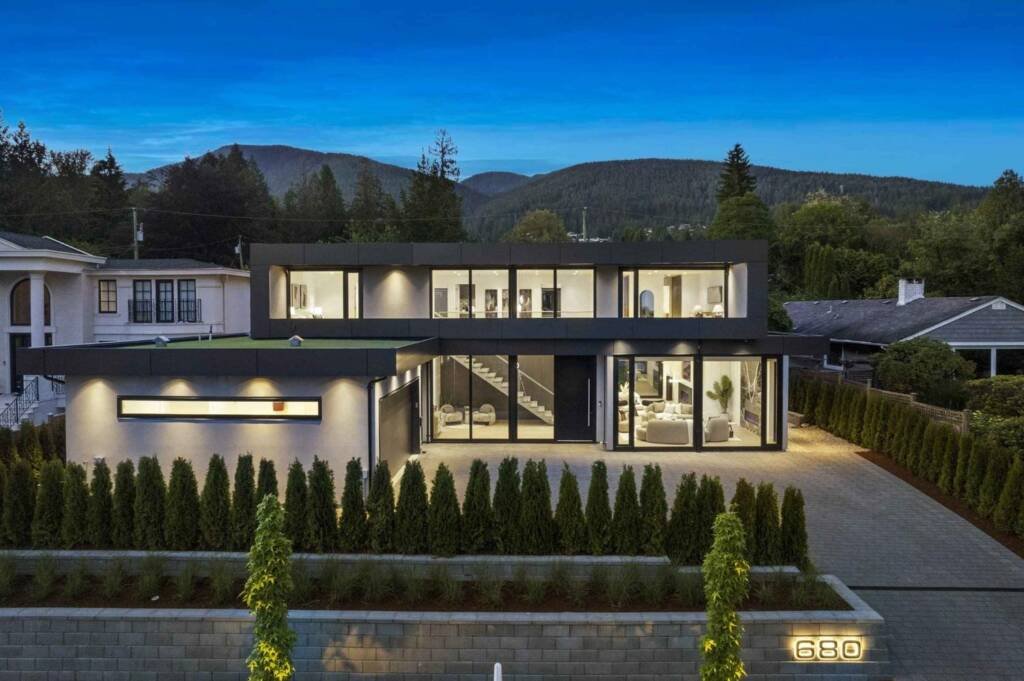
Marketing a listing starts with choosing the right media assets. Not every property needs the same package, yet every listing needs a baseline of quality. Your goal is to understand how visuals support the buyer journey and how to match the right type of media to the right property. Homes in Kitsilano require a different approach than downtown micro-units, and a pre-sale townhome site will not perform the same as a newly renovated East Vancouver duplex.
Professional media builds credibility before a buyer ever reads the description. Clear, bright, well-composed visuals show that the seller and agent value presentation. This matters because buyers judge signal quality. A polished listing sends the message, “this home is worth paying attention to.” A poorly presented listing does the opposite.
Why Visual Media Is Your First Impression

Most buyers decide whether to click, save, or ignore a listing based on one thing, the thumbnail photo. That single thumbnail on MLS or Realtor.ca becomes the doorway to every other decision. When the thumbnail is compelling, views go up. When the gallery is consistent and clean, interest grows. If the video, drone, and floor plan reinforce the same story, buyers form confidence.
Media should never feel random or rushed. The aim is to create a stack of visuals that work together. For example:
HDR photos build trust and clarity
Video tours add emotional context
Floor plans provide logical clarity
Drone establishes neighbourhood relevance
Each piece solves a different part of buyer decision-making. That is why media is not a product. It is a marketing tool.
Matching Media Type to Property Type

Different homes need different storytelling tools. A downtown studio unit in Yaletown relies heavily on angles, floor plans, and lifestyle clips that show walkability and building amenities. A luxury property in Shaughnessy benefits more from cinematic video, drone context, and architectural highlights. Marketing a property should always answer two questions: who is the buyer and how do they evaluate value?
For condos and townhomes, buyers care about layout efficiency, storage, common areas, and surrounding amenities. Strong photography paired with an accurate 2D or 3D floor plan gives them clarity quickly. For detached homes and estates, buyers want emotional pull. Cinematic video, twilight photography, and drone footage give scale, elegance, and setting.
✦ Example: A micro condo in Coal Harbour does not need a full lifestyle film, but it benefits from clean photography, a vertical reel, a floor plan, and amenity highlights. A waterfront penthouse, on the other hand, demands drone, full video, twilight shots, and dedicated neighbourhood b-roll.
If you want to see how each type of media influences results, read: What Type of Media Helps Vancouver Homes Sell Faster in 2026?
Building a Consistent Visual Brand

Consistency across a listing’s marketing gives buyers confidence. When the photos, video colours, text overlays, and floor plan graphics match in style, it signals professionalism and makes the property feel like a polished product rather than a rushed upload. This is especially important in Vancouver, where many listings compete visually on MLS and social platforms.
Consistency is not just visual. It is also narrative. The video script, the gallery order, the captions, and even the brochure should all reinforce one key selling angle. For example:
A False Creek townhome might emphasize walkability and lifestyle access
A West Vancouver luxury home might focus on view, architecture, and privacy
A Mount Pleasant duplex could highlight design finishes, community, and layout efficiency
When every media asset points toward the same story, buyers feel clarity rather than confusion. And clarity reduces hesitation.

Planning a High Performing Vancouver Listing Campaign

Marketing a property is most effective when treated like a campaign rather than a one-time upload. High-performing listings benefit from pre-launch teasers, launch-week pushes, and consistent follow-up promotion. In fast-moving markets like Vancouver, timing matters as much as quality. The more a listing is shown strategically through the first two weeks, the greater its share of buyer attention.
The best campaigns do not rely on one channel. They use MLS, social media, email, and paid boosts together. They also consider how buyers discover listings at different times. Someone might first see a property on Instagram, then click into the MLS gallery, then watch a full video tour on YouTube. Each platform plays a role in getting buyers curious enough to reach out.
Defining Your Audience and Positioning
Video courtesy of Mike Sherrard, used under fair use for educational and informational purposes.
Every campaign should start by identifying who cares most about the property. A two-bedroom condo near BC Place will not attract the same buyer as a new custom home in Richmond. Likewise, a developer launching a boutique project in Kerrisdale needs a different message than an agent listing a Burnaby duplex.
To define positioning clearly:
Identify the most likely buyer group
Understand what they value most
Create media and messaging that reinforces that value
Positioning might highlight lifestyle features (cafes, transit, parks), architectural design, investment value, or neighbourhood prestige. When positioning is defined early, media supports the message rather than guessing at it.
Mapping Media Assets to the Buyer Journey

Media should guide buyers step by step from discovery to decision. Instead of dumping all content at once, the best Vancouver listings release assets strategically. Think of it as storytelling in stages. Each type of media plays a role in answering a specific buyer question.
| Buyer Stage | Main Question | Best Media Asset |
|---|---|---|
| Discovery | What is this property? | Photo thumbnail, short reel, preview image |
| Exploration | Do I like how it looks? | Full HDR gallery, cinematic b-roll, amenity photos |
| Evaluation | Does it function for my life? | Floor plans, room measurements, walk-through video |
| Context | What is around it? | Drone footage, neighbourhood b-roll, lifestyle clips |
| Decision | Should I make a move? | Detailed video, listing brochure, social proof, strong CTA |
By mapping content to buyer thinking, you prevent overwhelm and increase curiosity. Each release should lead to the next action. For example, a short vertical teaser posted on Instagram might bring someone into the full gallery, then the floor plan gives them enough clarity to request a showing.
📌 Pro tip:
Do not release everything on day one. Tease interest before the listing goes live.
Creating a Timeline from Pre Launch to Sold

Treat a Vancouver listing the same way you would launch a product. Build momentum first, launch strategically, then maintain interest. A well-executed timeline could look like this:
Pre Launch (3–5 days before MLS)
-
Teaser photos
-
Short vertical video clips
-
Drone neighbourhood shots
-
“Coming Soon” Instagram carousel
-
Email blast to potential buyers or agents
Launch Week (Day 1–7)
-
Full HDR photo gallery
-
Cinematic video tour
-
Floor plan and measurements
-
Drone, neighbourhood, and amenity photos
-
Instagram Reels, TikTok clips, and YouTube upload
-
Boosted or retargeted ads if needed
Momentum Phase (Week 2–3)
-
Open house content
-
Recap reel
-
Targeted TikTok and Instagram ads
-
Lifestyle highlights (local shops, walking routes, transit)
-
Price update visuals or fresh twilight shots if needed
Post Sale (Optional but powerful)
-
Sold banner photos
-
Sold recap video
-
Social proof post for future listings
📌 For a deeper breakdown on strategy, check: How Top Vancouver Realtors Build Listing Campaigns That Get More Traffic

Where to Publish: MLS, Portals, and Social Platforms

Great media loses half its value if it never reaches the right buyers. Vancouver listings need visibility on the channels where people actually search, compare, and share properties. MLS and real estate portals set the foundation, but platforms like Instagram, TikTok, YouTube, and Facebook Ads extend reach far beyond active house hunters. Smart marketing recognizes that buyers show up differently across each platform, so your content needs to match how they browse.
Optimizing for MLS and Real Estate Portals

MLS and Realtor.ca act as your core distribution hub. Think of them as the property’s resume. Buyers want clarity and information density on these platforms, not entertainment. Clean HDR photography opens the conversation. Floor plans, measurements, and clear descriptions provide answers, and video embeds help serious buyers commit.
To optimize a listing for MLS and portals:
Lead with your strongest thumbnail image
Keep your gallery organized by flow (exterior, main living, kitchen, bedrooms, baths, extras)
Upload floor plans near the top, not hidden below photos
If possible, embed your full listing video
Use twilight or drone thumbnail options for luxury listings
Premium buyers care about context, layout, and neighbourhood access. Data and clarity encourage them to book a showing sooner.
Using Instagram, TikTok, and YouTube for Listings

Social platforms drive curiosity and awareness long before buyers decide. Short-form content works best when it is fast, simple, and emotional. Long-form video or YouTube tours work better when buyers are comparing layouts or evaluating finishes.
Here is how each platform works best in Vancouver’s market:
| Platform | Best Use | Ideal Media |
|---|---|---|
| Quick attention, lifestyle, storytelling | Reels, carousels, neighbourhood highlights | |
| TikTok | Fast discovery and viral potential | Short vertical clips with strong hooks |
| YouTube | Serious buyer research and deep evaluation | Full video tours, narrated walkthroughs |
📌 To understand why video matters more in 2026, read: Why Vancouver Realtors Are Investing More in Video and Social Content in 2026
Retargeting and Paid Ads for Extra Reach

Paid ads are your “boost button.” They ensure the right buyers see your listing repeatedly, especially if they watched your video or saved your post earlier. Retargeting works well for:
Unique homes with strong design
Pre-sale condo projects
Luxury listings with strong visual storytelling
Properties targeting out-of-town buyers
Adding boosted ads in week one or two strengthens momentum when organic attention starts to dip.
Suggested Retargeting Ad Targets
People who watched 25–50 percent of your video tour
Users who saved or liked your carousel or reel
Website visitors who clicked into the listing page
Lookalike audiences based on previous viewers
📌 Pro tip:
Boost vertical videos first, not photos.

Marketing Vancouver Developments and Pre Sales

Development marketing in Vancouver requires a different approach than selling a single residential listing. Instead of presenting an existing home, you are communicating a future lifestyle. Buyers cannot walk through the space yet, so they rely heavily on visuals, floor plans, amenity highlights, and neighbourhood storytelling. The role of media is to make something intangible feel real, familiar, and desirable.
Strong pre-sale campaigns use intentional content sequencing. They build curiosity during construction, introduce aspirational elements, then showcase real value once show homes or renders are available. Developers who invest in high quality planning early benefit from smoother launches and stronger conversion later. The emphasis is not only on what the building will look like, but how it fits into the neighbourhood and what everyday life could feel like.
Media Packages That Work for Pre Sales

A pre-sale campaign should feel premium, polished, and consistent. Buyers are not just comparing your development to competing projects. They are comparing it to the best lifestyle options their money can buy. To support that psychological decision, the media package needs to communicate quality, functionality, and emotion.
A strong Vancouver pre-sale media stack includes:
Architectural photography of render boards and show homes
2D and 3D floor plans with measurement clarity
Animated or cinematic render overlays
Full lifestyle-driven video introductions
Drone and neighbourhood mapping footage
Amenity highlight visuals
Vertical reels for social platforms
Professional brochures with consistent branding
📌 Want a full pre-sale breakdown? Read: How to Market a Development Project in Vancouver
Showcasing Floor Plans, Amenities, and Lifestyle
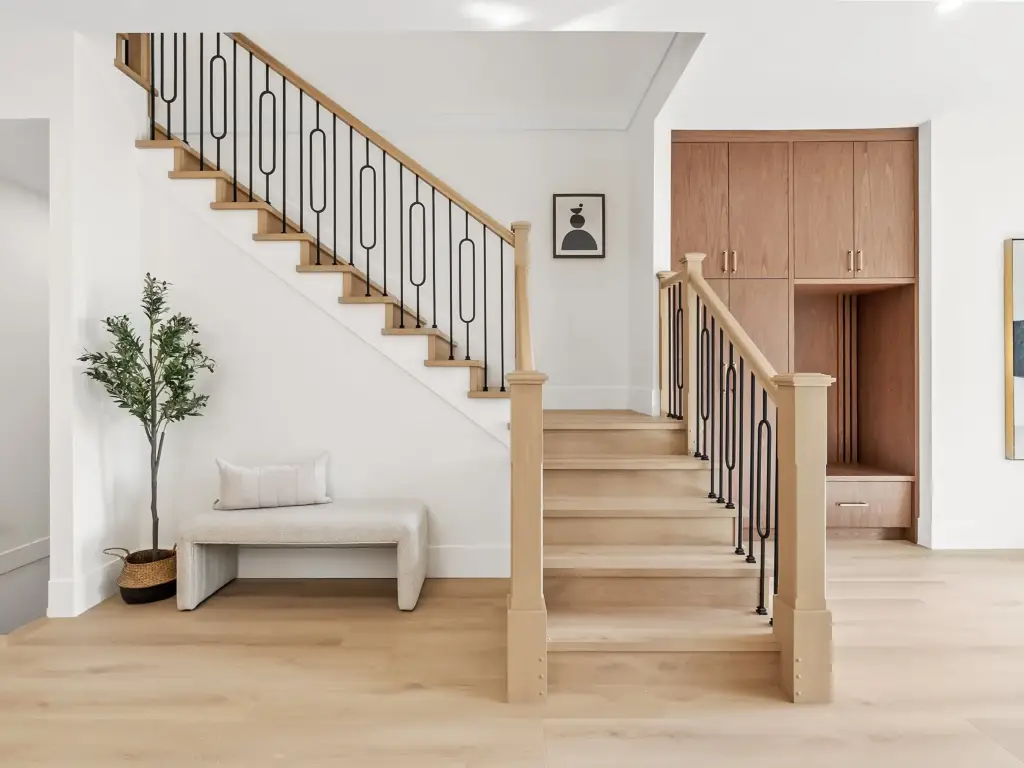
Buyers rely on floor plans more heavily during pre-sales because they cannot rely on physical walkthroughs yet. Clarity matters. The simpler the visuals, the faster buyers understand how they might live in the space. Clean floor plans, annotated dimensions, and optional overlays help buyers picture how furniture fits, how storage works, and how views and layout feel.
Amenities and lifestyle content also play a major role. Vancouver buyers care about transit access, recreation, cafés, parks, bike paths, and community energy. For example:
-
A Mount Pleasant boutique build benefits from showcasing breweries, cafés, and local culture
-
A Brentwood high-rise benefits from transit access, shopping, and amenity scale
-
A waterfront development should highlight views, trails, parks, and marina access
When visuals answer lifestyle expectations early, they remove friction and build trust before the asking price is even revealed.
Using Drone and Neighbourhood Content for Context

Drone footage helps buyers understand scale, access points, and community value. It also connects individual units to a larger lifestyle narrative. Drone work is extremely powerful for pre-sale marketing because it reveals what buyers cannot see yet. Neighbourhood b-roll, POV walking clips, and lifestyle cinematics make the development feel integrated rather than isolated.
Drone is particularly valuable for:
Waterfront and view-based projects
Transit-oriented developments
High-rise density clusters
Community-focused low-rise sites
Townhome developments near schools and parks
📌 Pro tip:
Drone shots should not be treated as decoration. Use them to highlight connection points: walking routes, transit stations, trail access, commercial plazas, and park proximity.
Measuring Listing Performance and Improving Every Launch

Not every campaign will perform the same, and that is normal. Real estate marketing is strategic, not standardized. By tracking performance, you can improve results on each new listing or development launch. The goal is to understand how your media choices affect buyer behaviour and where attention increases or falls. Vancouver buyers react differently to luxury towers, laneway homes, boutique developments, and waterfront properties. Tracking audience response helps you adjust your marketing mix and choose the right emphasis next time.
A well measured launch does not only look at how many people saw the listing. It examines how they engaged, where the traffic came from, and how fast interest turned into something measurable. If your showings increase after a video boost or a neighbourhood reel, that reveals something meaningful. If saves on MLS spike after uploading twilight photos, that gives you a direction for future campaigns. Each data point becomes a strategy note for your next listing.
Key Metrics to Track for Vancouver Listings

Whether it is a detached home in West Vancouver or a pre-sale condo in Brentwood, there are core performance indicators that matter most. Agents and developers can gain valuable insight by tracking:
Views and impressions across MLS, YouTube, or Instagram
Saves and favourites, which reflect genuine buyer interest
Click-through rate from social media to the listing page
Watch time and retention on video tours
Open house turnout compared with engagement metrics
Days on market correlated with media changes
Lead source tracking (where inquiries came from)
These numbers help determine which assets made the biggest impact. For example, listing videos with a strong hook can increase retention and result in more showing requests. Meanwhile, detailed floor plans may convert curious viewers into serious buyers because they offer functional clarity.
What High Performing Campaigns Have in Common

Listings that generate strong engagement in Vancouver share consistent patterns. They have:
✔ A defined audience strategy
✔ A strong thumbnail or teaser that creates curiosity
✔ A clear narrative reinforced by multiple media assets
✔ Timely promotion on launch week
✔ Paid or boosted content targeting the right viewers
✔ Consistency across colours, branding, and captions
✔ Real lifestyle context, not isolated visuals
When campaigns align media choices with buyer psychology, they outperform listings that focus only on documentation.
📌 To understand which media assets create the most impact, read: What Type of Media Helps Vancouver Homes Sell Faster in 2026?
When to Upgrade Your Media Partner

If your media partner only delivers photos or a video without strategy, you are receiving a product, not a campaign. Successful partners focus on planning distribution, matching visuals to buyer expectations, and building consistency. Signs you may need a stronger partner include:
You have great visuals but weak engagement
Your listing videos do not match your brand
There is no strategy behind release timing
Social content is not repurposed or optimized
You receive no analytics or revision support
A strong media partner helps you campaign, not just collect files.
Conclusion

Marketing a real estate listing in Vancouver is not about piling on visuals. It is about creating a campaign that tells a clear story, attracts the right buyers, and builds trust through every stage of the process. Strong photos, detailed floor plans, drone footage, lifestyle clips, and cinematic video each play a specific role in shaping how buyers think and feel about a property. When those assets work together, they turn a listing into a complete experience.
The goal is to help buyers understand the value of a home before they ever walk through the door. By planning your media stack, sequencing content, and distributing it intentionally across MLS, social platforms, and targeted ads, you create the momentum that your listing deserves. Whether you are launching a single-family listing in East Vancouver or unveiling a pre-sale development in Brentwood, the combination of strategy and media determines how loud your listing speaks.

If you are ready to build stronger campaigns backed by thoughtful storytelling, consistent visuals, and a media partner that understands Vancouver’s market, this is the moment to take the next step. Explore how expert real estate media can elevate your next launch and unlock the visibility your property deserves.
Want help structuring your media campaign or choosing the right assets for your next listing? Reach out and let us show you how strategic content can drive real results for homes and developments across the Lower Mainland.
Latest posts
Popular Posts
Interviews, tips, guides, industry best practices, and news.

